When it comes to the inspiration for some of
the scariest horror movies ever made, your local library may well be the
place to look. Some of the most disturbing screenplays have come, not
from the land of nightmares, but from the world of literature.
Here is a quick list of just a few of the best adaptations of spooky
novels that have leapt off the page and on to the screen, frightening
the pants off of the movie-going public worldwide.
1) Frankenstein

Mary
Shelley’s novel about “The Modern Prometheus” was first published in
1818. It’s the story of a scientist who tries to “play God” by creating
life in his laboratory. He is successful, though his creation ends up
being a lot less perfect than he had envisioned.
The story has been adapted on many different occasions, from the
classic 1931 version starring Boris Karloff to Kenneth Branagh’s 1994
version to variations of the tale like 2009′s
“Splice” starring
Adrian Brody and
Sarah Polley.
So iconic is the 1931 “
Frankenstein,” directed by
James Whale, that one cannot think of the monster without seeing the
image of a block-headed lumbering hulk complete with bolts sticking out
of his neck, grunting and moaning and running from torch-wielding
villagers.
Interestingly enough, in Shelley’s manuscript, the monster teaches
itself how to read by studying classic works of literature. There is no
mention of a hunchback assistant named Igor. There is no grave robbing
nor is there a giant platform waiting for lightning to strike the
hastily sewn-together flesh in the hopes of it provided the source of
reanimation.
Nevertheless, the film version where a mad scientist’s quest for
immortality meets with disastrous results resides in the pantheon of
horror films and has influenced countless other films of this genre
right up to the present day.
2) Rosemary’s Baby
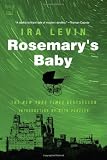
Ira
Levin’s book of the same name was written in 1967 and became an instant
best-seller. The story centers on a woman named Rosemary Woodhouse,
played by Mia Farrow, who lives in a New York City apartment building
with her wannabe actor husband.
One night, she has a nightmare where she believes herself to be set
upon by a demon in her bedroom while many of her neighbors look on.
Shortly after that incident, she gets the news that she is pregnant.
The remainder of the film is a tour de force of paranoia, as Rosemary
continues to believe that there is “something wrong” with her baby
while everyone around her tries to calm her down and convince her that
she has nothing to worry about.
The film culminates in the chilling revelation that Rosemary has been
right all along, and in fact, the demonic liaison she had “imagined” at
the beginning of the film actually took place and that she has given
birth to the son of Satan.
3) The Exorcist
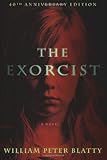
William
Peter Blatty’s 1971 novel about a young girl who exhibits signs of
being
 Home
Home









 Date Released : 25 January 2003

